
Vegetarian and Vegan Protein Sources A Comprehensive Guide
Transitioning to a vegetarian diet or embracing a more plant-based lifestyle can be a healthy and environmentally conscious choice. However, one of the most common concerns about a vegetarian lifestyle is low protein intake. Many people wonder if a meat-free diet can provide enough protein. The answer is yes, plant-based foods can provide the protein your body needs too.
This article will discuss various vegetarian protein sources and offer tips on increasing protein intake. Whether you've been a vegetarian for a while or just starting out, this information can be helpful.
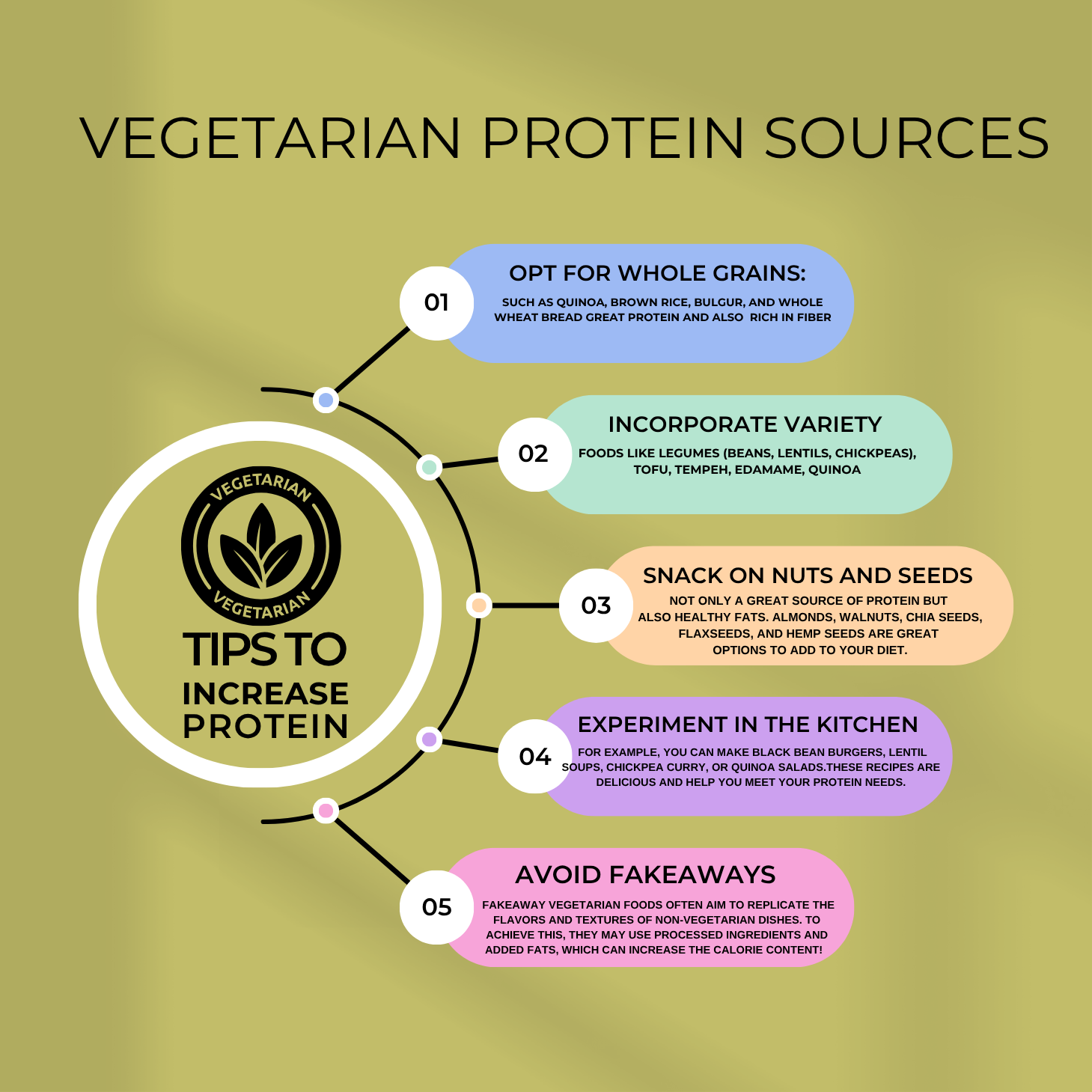
Opt for Whole Grains
Whole grains such as quinoa, brown rice, bulgur, and whole wheat bread are excellent vegetarian protein sources. They're not just packed with protein but are also rich in fibre, which aids in digestion and keeps you feeling full. Quinoa, in particular, is considered a complete protein, meaning it contains all nine essential amino acids that your body cannot produce on its own. Incorporating whole grains into your diet is a simple and effective way to boost your protein intake.
Incorporate a Variety of Foods
Variety is key in a vegetarian diet. It ensures you get a broad spectrum of nutrients, including protein. Foods like beans, lentils, chickpeas, tofu, tempeh, edamame, and quinoa are all protein-rich foods that you should consider adding to your diet. They are high in fibre, iron, and complex carbohydrates.
Snack on Nuts and Seeds
Nuts and seeds are not just a convenient and tasty snack but also a great source of protein and healthy fats. Almonds, walnuts, chia seeds, flaxseeds, and hemp seeds are excellent options for your diet. You can enjoy them on their own, add them to salads and smoothies, or use them as toppings for oatmeal and yoghurt. JUST be CAREFUL not to overindulge, as they also have a high calorie content.
Tips to increase Protein
Experiment in the Kitchen
Cooking your own meals gives you control over the ingredients and, thus, the quality of protein you consume. You can make protein-rich recipes like black bean burgers, lentil soups, chickpea curry, or quinoa salads. These recipes are delicious and help you meet your protein needs. Experimenting in the kitchen can also help you discover new flavours and textures, making your vegetarian journey more exciting.
Avoid Fakeaways
While some vegetarian foods replicate the flavours and textures of non-vegetarian dishes, it's important to note that they often use processed ingredients and added fats to achieve this. These "fakeaways" can increase the calorie content, making them less healthy than they appear. Therefore, it's always better to opt for whole, natural foods.
In conclusion, numerous vegetarian protein sources are available for those who choose to adopt a plant-based lifestyle or are already following one. Remember, a well-planned vegetarian diet and vegan diet can be just as nutritious, if not more so, than a diet that includes meat.
WHAT CAN I EAT? And do you have RECIPE IDEAS? These are just a few of the questions we often get asked. To give you some food for thought, we've partnered with a nutrition company to create healthy recipe collections to support your journey. No-fuss, tasty, wholesome meals that you and everyone can enjoy.
Explore new recipes to meet your protein needs. Click the links below to view each collection and make your purchase.