

An injury can be incredibly frustrating, especially when you enjoy exercising and have worked hard to build your strength and fitness.
We see it regularly at Kate Campbell Fitness. People worry about losing progress, making an injury worse, or simply not knowing which exercises they can safely keep doing.
And personal trainers aren't immune to injuries either!
Our coach Dom has been managing both a shoulder and knee injury, which has meant making some changes to his usual strength training routine.
Rather than stopping completely, he's adapted his exercises, adjusted his training intensity and focused on maintaining what he can while allowing his injuries to recover.
We often encourage our clients to focus on what they can do, rather than everything they temporarily can't. Of course, every injury is different, and getting the right professional advice is important.
In this blog, Dom shares his own experience, what's worked for him and why sometimes the best thing you can do is change your training plan rather than give up altogether.
Over to Dom...
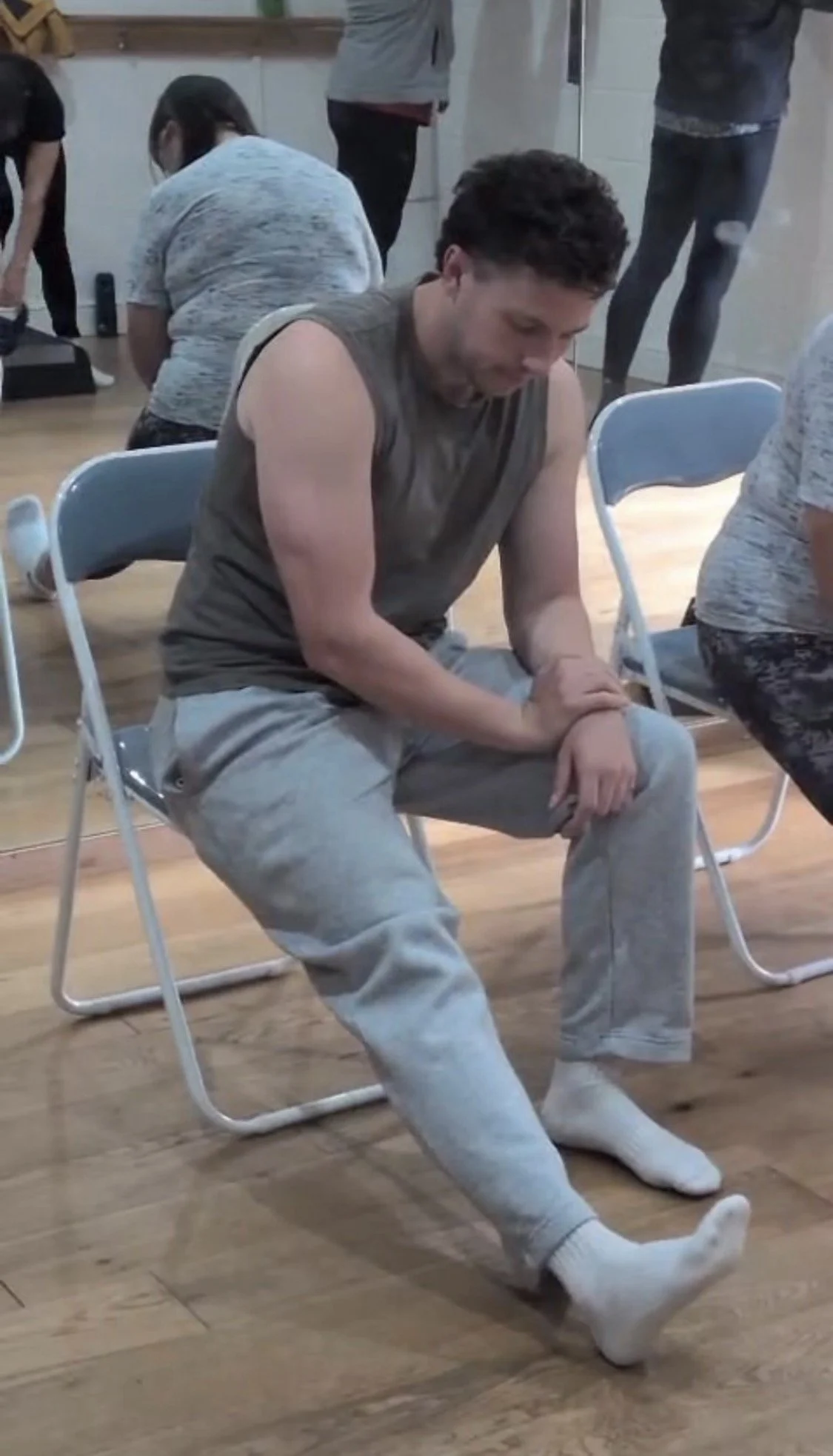
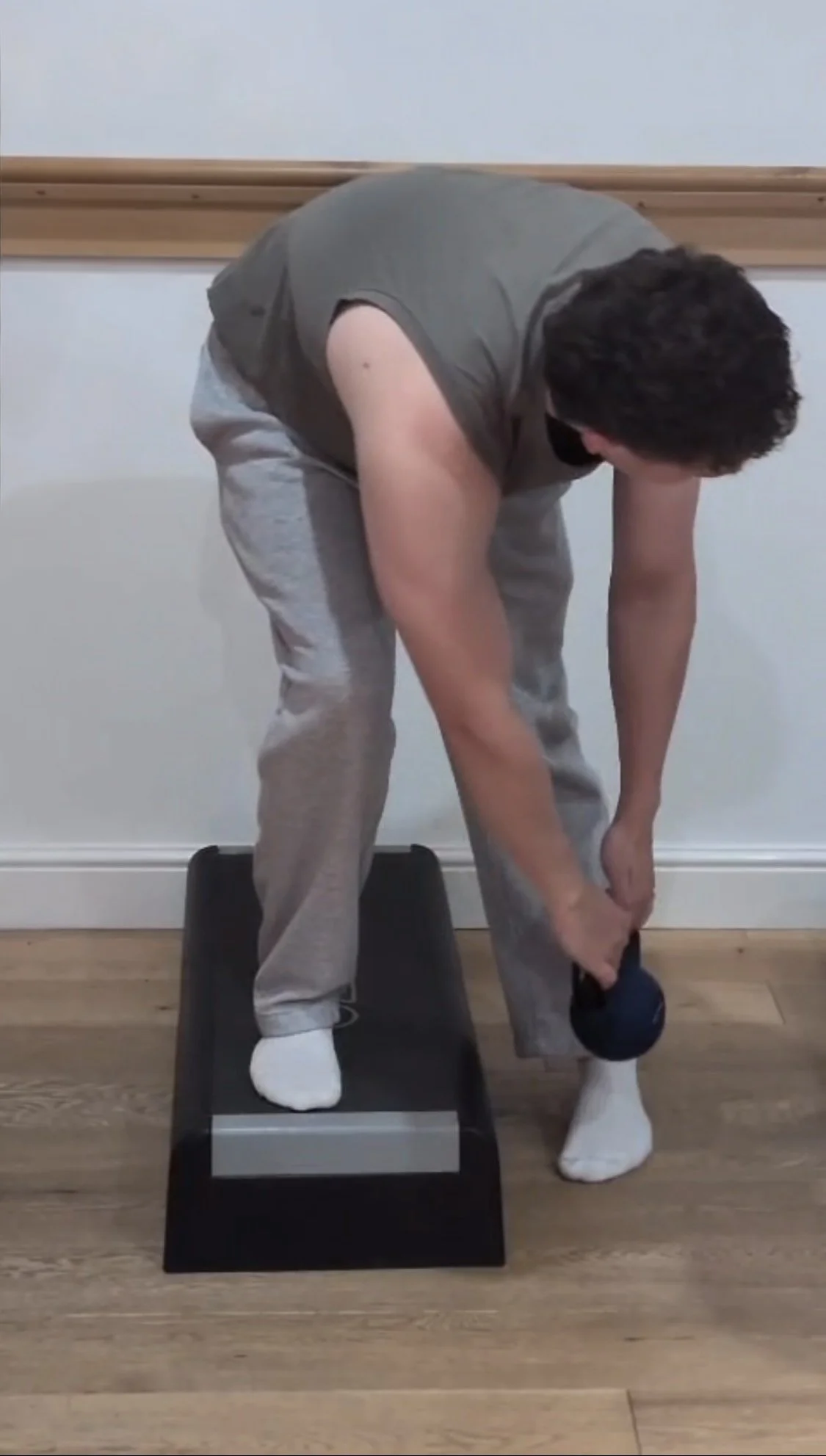
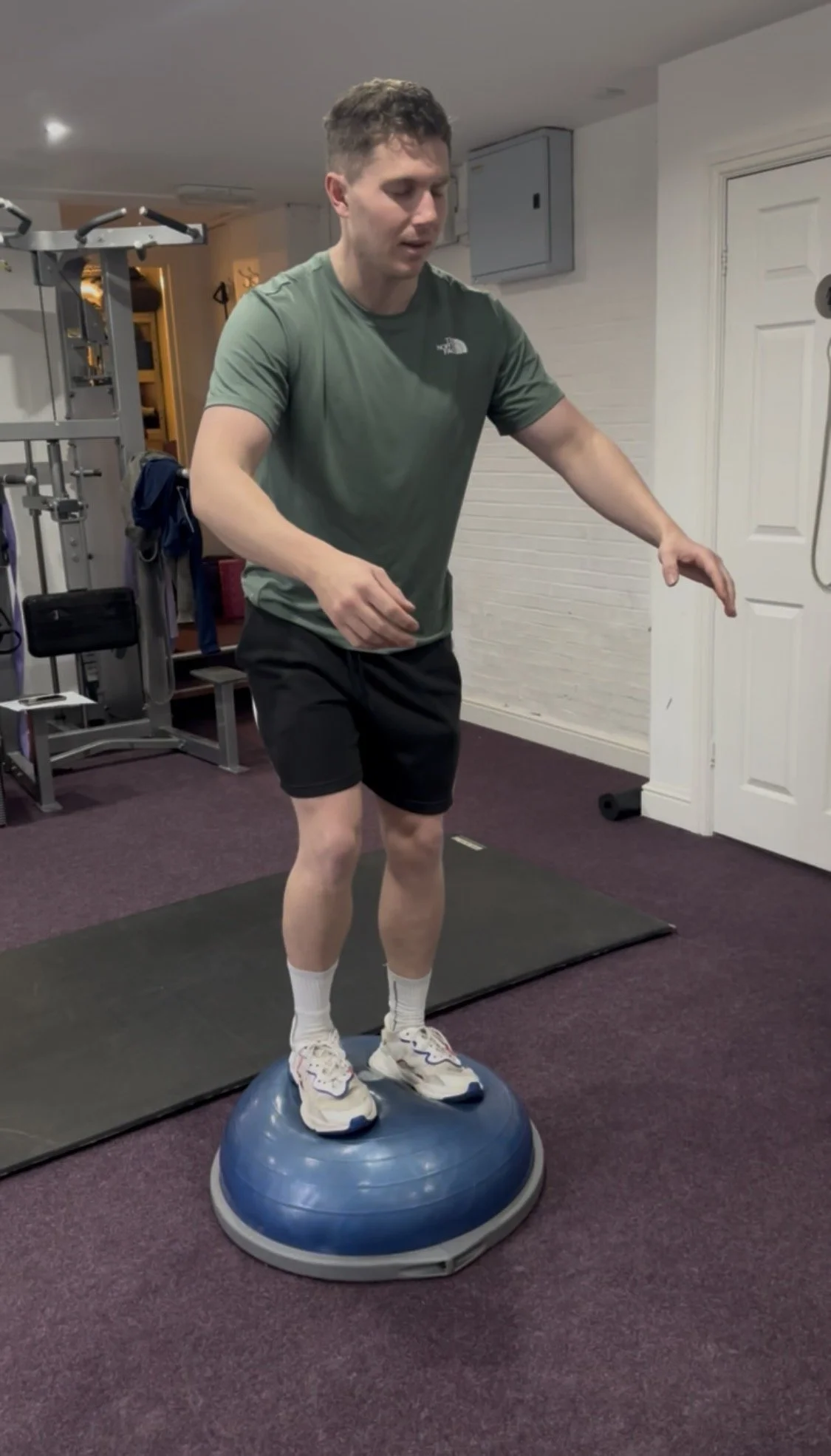
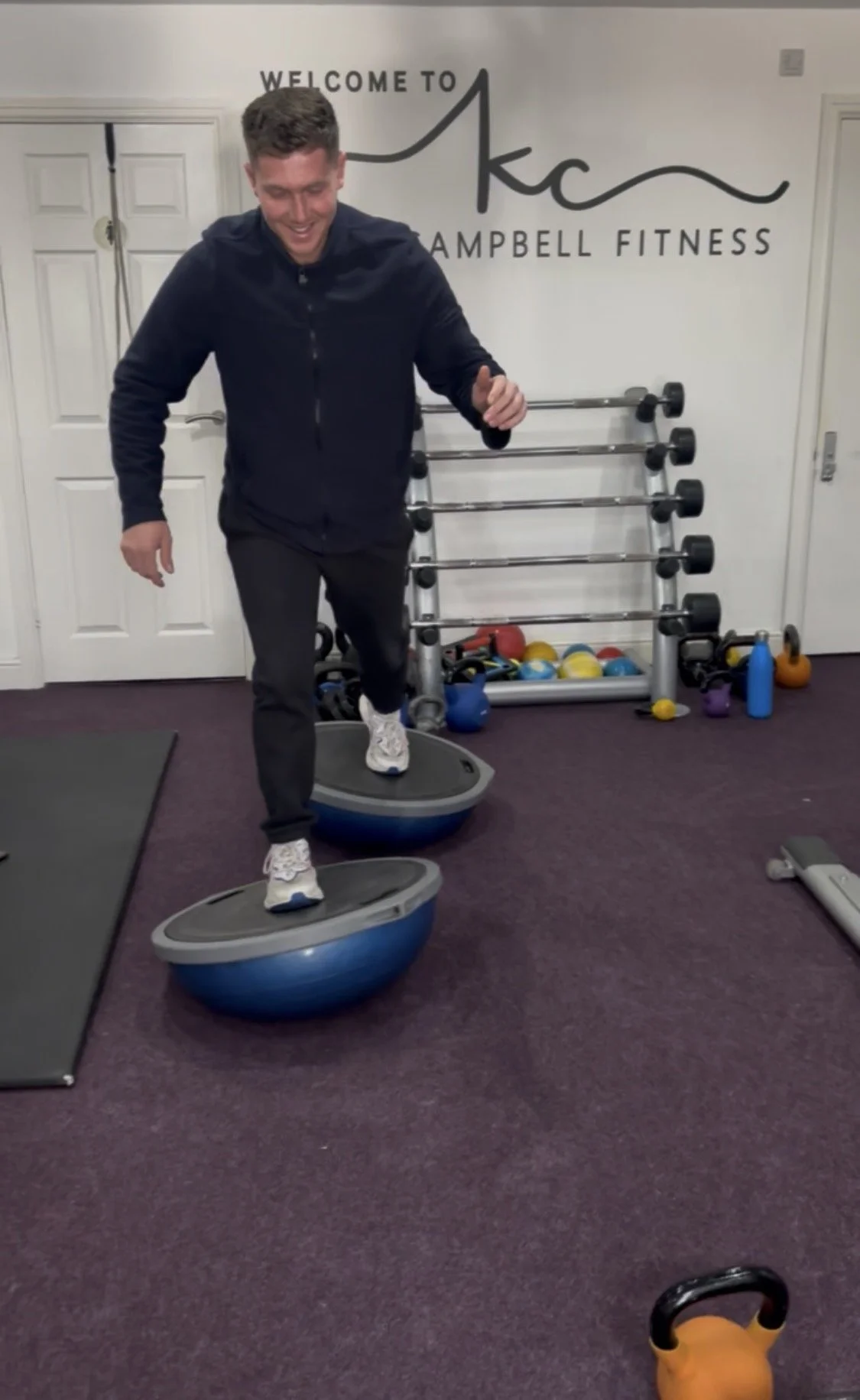
When you pick up an injury, it’s easy to think you need to stop exercising completely until everything feels better. But in many cases, you don’t need to stop training. You need to adapt your training to work around what’s going on. I’ve been dealing with both a shoulder injury and a knee injury, and rather than putting my strength training on hold completely, I’ve adapted my approach to keep moving, maintain my strength and avoid aggravating the affected areas.
Here’s how I’ve done it.
1. Adapt your exercises rather than giving up. One of the biggest changes I’ve made is adjusting the exercises I do and how I perform them. If an exercise aggravates my shoulder or knee, I don’t force myself through it just because it’s part of my usual programme. I look at what I can change. That might mean choosing a different exercise, reducing the weight, adjusting my range of motion or changing my technique to find a more comfortable movement. The goal isn’t to push through pain. It’s to find a way to keep training that works for your body right now. You might not be able to do everything you normally would, but that doesn't mean you can't do anything at all.
2. Lighter weights, higher reps. Normally, I might focus on lifting heavier weights for fewer repetitions. While managing my injuries, I’ve switched to lighter weights and higher reps where appropriate. This lets me keep challenging my muscles without putting the same demands on my joints. I’ve still been training hard, including taking sets close to or to muscular failure where appropriate, but I've been much more mindful of how my joints feel. There’s an important distinction here: challenging your muscles and aggravating an injury aren't the same thing. You can still get a productive workout without constantly chasing heavier weights or personal bests. That said, training to failure isn't essential while recovering from an injury. The priority is choosing exercises and effort levels that are appropriate for your symptoms and recovery.
3. Keep your routine consistent. I’ve continued resistance training three days a week, alongside cardio whenever I’ve been able to manage it comfortably. Maintaining that routine has helped me keep some structure in my week and continue working towards my fitness goals, even though my training doesn't look exactly as it normally would. Of course, there have been adjustments. Some movements aren't suitable at the moment, and I've had to accept that I can't always train exactly how I want to. But consistency doesn't mean doing the same thing every week regardless of how you feel. Sometimes, consistency means changing the plan so you can keep going.
4. Maintain your strength while you recover. This is the big one. When you're injured, it's tempting to stop everything and wait until you're completely pain-free before doing any exercise again. Sometimes, a period of rest or avoiding particular movements is necessary. But when it's appropriate to continue exercising, maintaining as much strength and activity as you safely can may help reduce the amount of fitness you lose during recovery. Think about it this way: if you can maintain some of your strength while recovering, you may have less ground to make up when you're ready to return to your normal training. Rather than starting from scratch, you can gradually build back towards your previous training levels. You won't necessarily bounce straight back to where you were, and recovery times vary, but maintaining what you can is often a better option than unnecessarily putting your entire routine on hold.
5. Listen to your body, not your ego. There’s a difference between a challenging workout and a workout that makes an injury worse. You don't need to prove anything by lifting the heaviest weight possible or forcing yourself through a movement that hurts. Be sensible. Pay attention to how you feel during exercise and afterwards. If symptoms worsen, adjust your training and seek advice from an appropriate healthcare professional. With injuries, particularly those involving joints, it's worth getting guidance from a physiotherapist or clinician about which movements and loading levels are suitable for you. The aim is to keep moving where you can, not turn a manageable problem into a bigger one.
The takeaway: Being injured doesn't automatically mean your fitness journey has to stop. I've continued resistance training three days a week and doing cardio where possible while adapting my exercises, using lighter weights and higher reps, and avoiding movements that aggravate my shoulder and knee. I've had to change my approach, be patient and accept that some exercises are temporarily off the table. But that's part of training intelligently.
You don't always need to stop. Sometimes, you just need to change the plan. If you're dealing with an injury, don't assume you have to abandon all your progress.
Get the right advice, work within your current abilities and focus on what you can do safely.
Your training might look different for a while, but you can still take steps to maintain your strength, fitness, and routine while you recover.
Remember: this is my personal experience, not a one-size-fits-all rehabilitation plan.
Always seek appropriate medical advice for an injury, especially if symptoms are worsening or you’re unsure which exercises are safe for you.
And If you’re dealing with an injury and have already seen your GP, physio or another medical professional, you might benefit from some additional support.
I’ve joined in with Shannon’s classes myself, and her knowledge is fantastic. As our Sports Therapist and Personal Trainer at Kate Campbell Fitness, Shannon can help you work towards getting back to exercise through an initial assessment, Move Well Therapy and personalised training.
Find out more about our Move Well Therapy programme →
Dom - Kate Campbell Fitness